
|
Windmill Repairs Update:
Due to storm damage in 2019 the windmill is not currently operational. The repairs are expected to take place between 2024-2026 |

The Working WindmillAlthough Heckington windmill is currently not operational, we still have the ability to grind our own wheat for flour using our oil engine driven stones on the ground floor of the windmill and our portable farm mills driving by a portable oil engine.
The mill contains 6 floors - the ground (loading) floor, meal floor, stone floor (at gallery level), bin floor, top floor and dust floor, immediately below the cap. The 8 sails are kept facing into the wind by the fan tail at the rear of the cap. The sails are attached to the wind shaft which transfers the power from the sails into the drive shaft which runs down to the stone floor to turn the mill stones. The two bin floors are used to store wheat, the grain being raised up from the ground floor by the sail powered chain hoist. Gravity brings the grain down from the storage bins into the mill stones where it is ground into flour. The flour then travels down shutes to the meal floor where it is weighed and bagged for sale. |
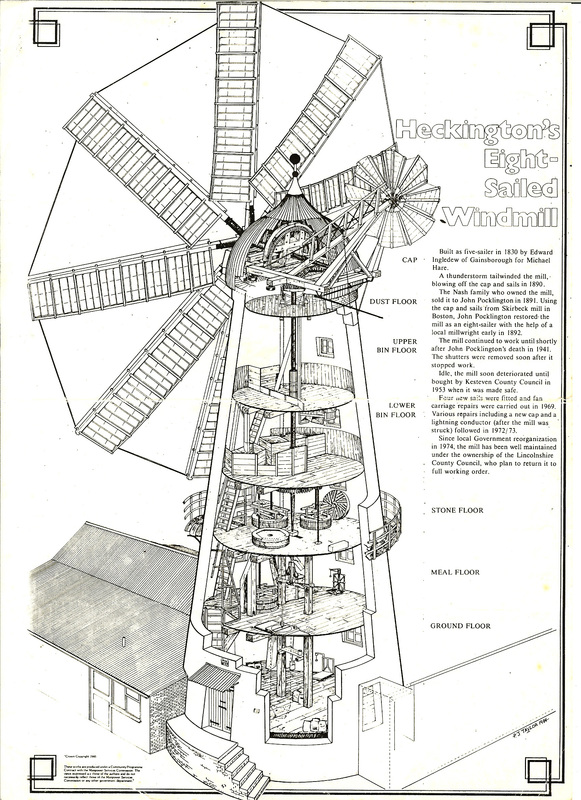
Cutaway showing the 6 floors of the mill
|
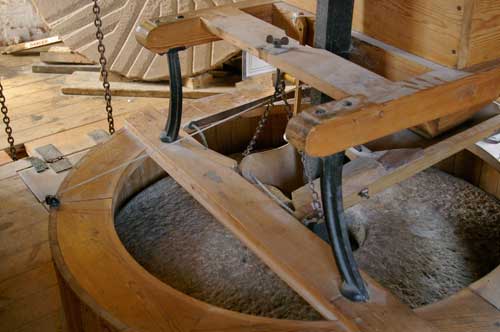
We have two types of mill stone, Derbyshire grit stones which produce wholemeal flour and French stones, used for white flour. The output from the French stones needs to be bolted (sieved) to remove the bran, so you can also buy stone-ground white flour. The sieving process also produces a flour we call Special Brown which is high in bran, and bakes a brown loaf.
All our wheat is English, and for the last few years has been grown around the village of Heckington, in sight of the windmill. It makes very good bread, using both traditional methods and bread machines, it is also good for cakes and biscuits.
A recipe booklet is available at the mill to help you get the most from our stone ground flours.
All our wheat is English, and for the last few years has been grown around the village of Heckington, in sight of the windmill. It makes very good bread, using both traditional methods and bread machines, it is also good for cakes and biscuits.
A recipe booklet is available at the mill to help you get the most from our stone ground flours.
The Mill in Action
|
Hurst frame in action with Ruston engine
The windmill running under wind power
|
Threshing weekend
Clip from YouTube from a visitor
|
Outreach - We come to you!
|
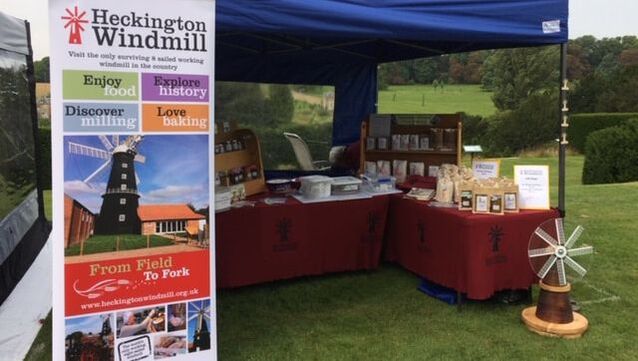
We are able to bring our outreach stand to your event, which enables us to showcase Heckington Windmill and its products. We have been at Easton Walled Gardens, the National Ploughing Championships & Heckington Show Please get in touch if this is something that you would like to discuss. Contact Liz Desmond for more information |
|
Did you know?
At the height of its working life, the mill frequently worked around the clock. Forty sacks of grain (5 tonnes) per day were often exceeded.
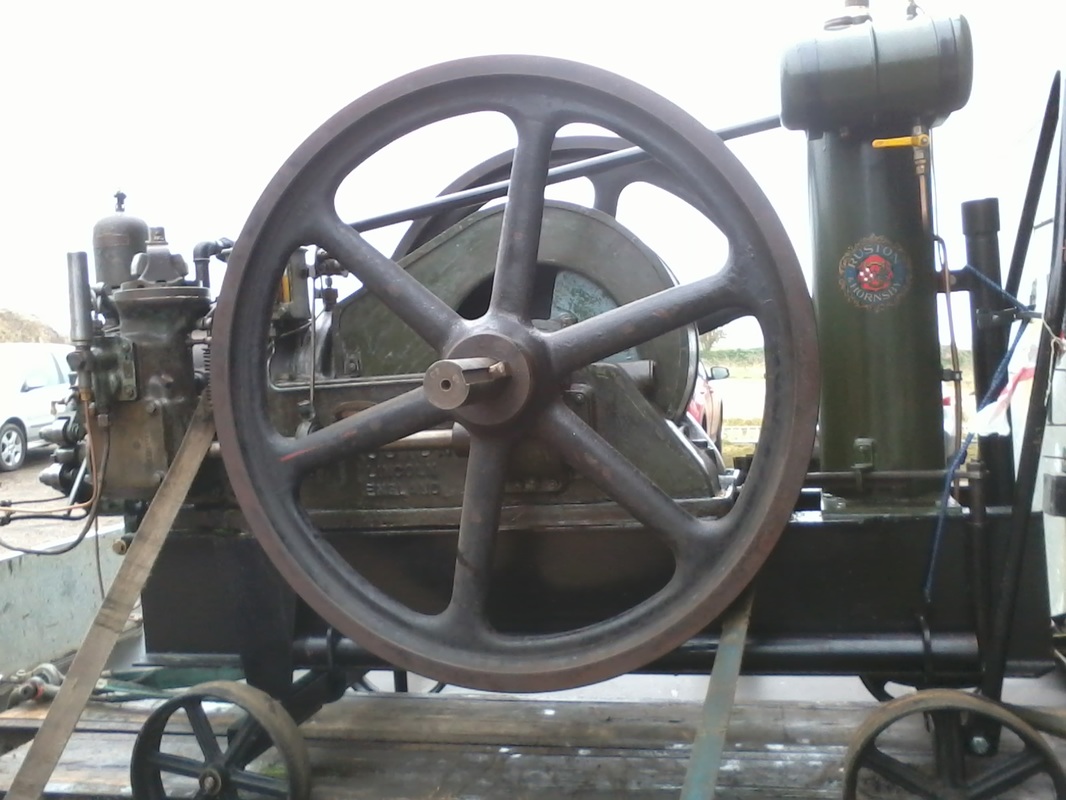
A Ruston of Lincoln oil engine installed in the adjacent engine shed ensured that the mill continued to work even when there was no wind.
A Ruston of Lincoln oil engine installed in the adjacent engine shed ensured that the mill continued to work even when there was no wind.
|

|
|
8 Sail Facts
Heckington mill originally started life with 5 sails.
It wasn’t until almost 60 years later, after a storm that the new 8 sailed machinery was fitted
It wasn’t until almost 60 years later, after a storm that the new 8 sailed machinery was fitted
OUR FLOUR
All our flour is stone-ground at the windmill, using locally grown wheat. Available to buy from the mill shop.
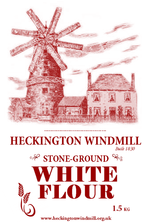
A good quality
all-round flour for bread and cakes |
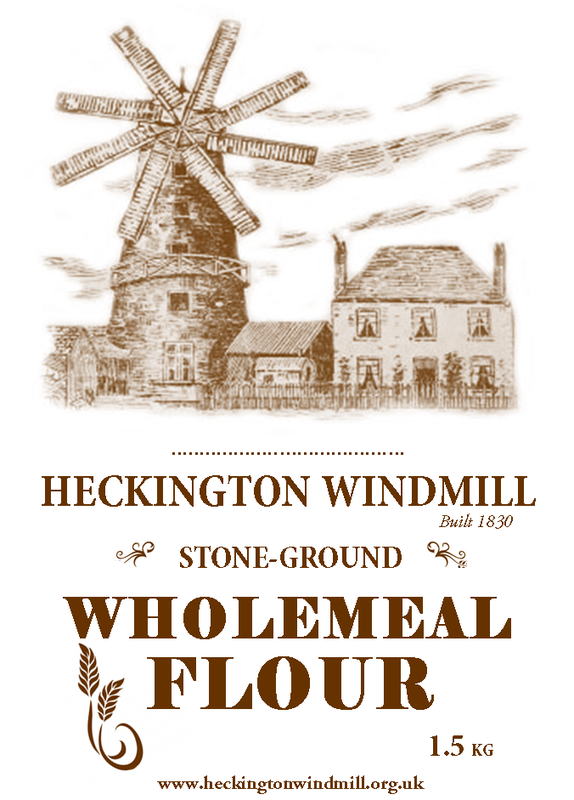
Good wholemeal flour with nothing taken out
|
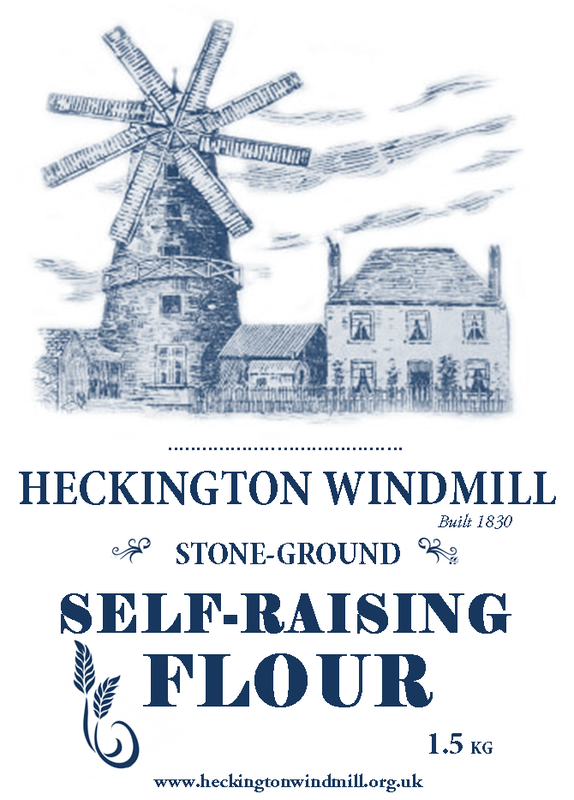
Blended in-house for perfect cakes and scones
|
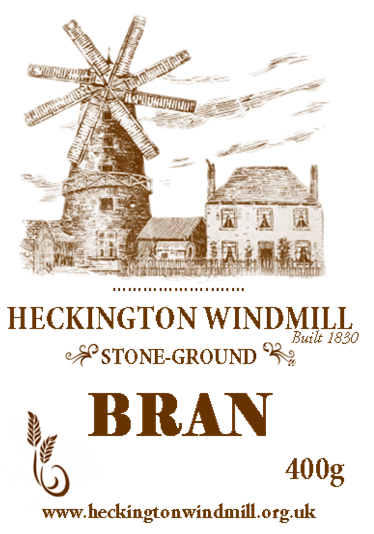
Bran which has been separated out from the white flour
|
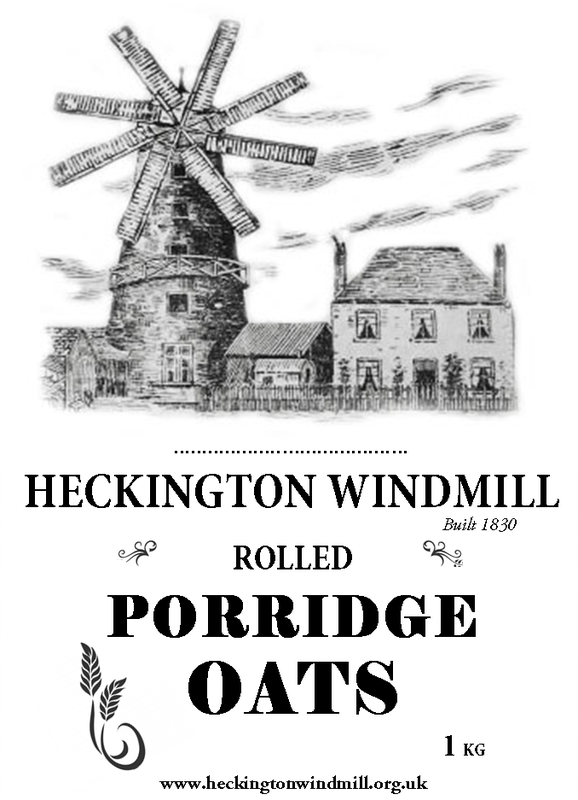
Our oats make perfect porridge & flapjacks
|
National Mills Archive - From Quern to Computer
Discover the history of flour milling via the National Mills Archive interactive resources
The Great British Mill Race - identify your mill
|
National Mills Archive Timeline
|
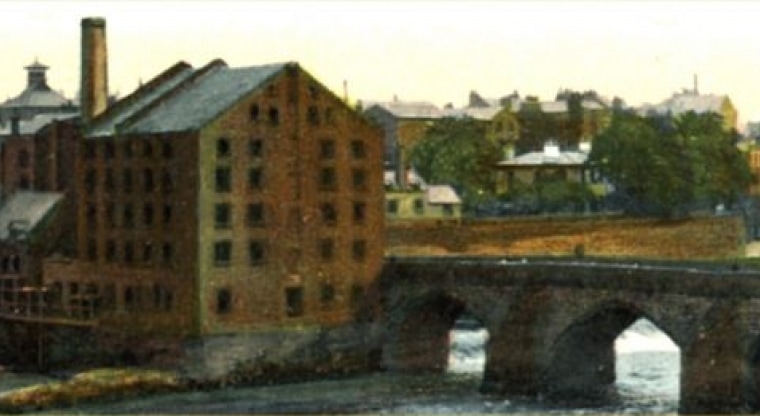
Flour Milling History Articles
|
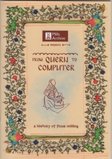
Buy the booklet
From Quern to Computer |
Society for the Protection of
|
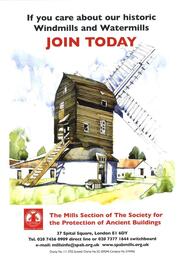
For more info visit:
www.spab.org.uk/mills
|
|
|
Patron - Mr Toby Dennis, Lord Lieutenant of Lincolnshire
Registered Charity No: 1139207 Company Registration No: 07210264 |

|

|
Photographs by Jason Tomlinson & Heckington Windmill Trust and are copyright. Please ask for permission to reproduce. Thank you